
 385-777-2753

- Home
- Firm Overview
- Our Team
- Attorney Joseph Rupp
- Attorney Logan Collins
- Attorney Yvette Donosso
- Attorney Rakay Michael
- Attorney Brody O’Connor
- Paralegal Julie Johnston
- Paralegal Sisilee Musselman
- Paralegal Tuesday Collins
- Legal Assistant Mackelle Evans
- Administrative Assistant Braelyn Henrikson
- Executive Assistant Teresa Welty
- Criminal Defense
- Family Law
- Scholarship
- Media
- Blog
- Contact
Can You Face Drug Distribution Charges Without Selling Anything?
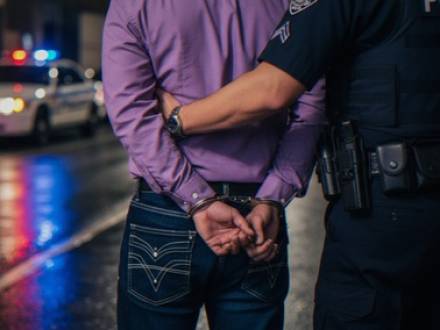 In Utah, you do not have to sell drugs to be charged with drug distribution. You do not even have to hand anything to anyone. If the police find drugs on you and the amount or circumstances suggest you planned to share or sell them, that may be enough for prosecutors to pursue a distribution-related charge. If you are dealing with this situation in 2026, our Davis County drug crimes defense lawyers can help you understand what the charge actually means and how to fight it.
Under Utah Code Section 58-37-8(5), it is illegal not just to distribute drugs, but also to possess drugs with the intent to distribute them. Utah law includes both distribution and possession with intent to distribute in the same prohibited-acts statute, so the penalties can be just as serious even if no completed sale occurred.
What Does "Intent to Distribute" Actually Mean in Utah?
Intent to distribute means prosecutors believe you planned to sell, share, or otherwise give drugs to someone else. They do not need to catch you in the act. They build their case using the circumstances around what was found.
Utah courts look at the totality of the situation, which means they consider everything together to decide whether distribution was likely. The things prosecutors most commonly point to include the amount of drugs found, how the drugs were packaged, and what else was nearby.
What Evidence Do Prosecutors Use To Prove Intent in a Drug Case?
In many Utah drug cases, prosecutors do not have direct evidence of an actual drug sale. Instead, they often rely on circumstantial evidence to argue that someone intended to distribute drugs rather than possess them for personal use. Examples may include:
-
Drugs separated into multiple bags or packages
-
Large amounts of cash, especially smaller bills
-
Scales, baggies, or other packaging materials
-
Text messages or social media communications that appear drug-related
-
Multiple cell phones found during an arrest or search
-
Quantities of drugs that prosecutors argue are inconsistent with personal use
-
The absence of paraphernalia commonly associated with personal consumption
The prosecution may use several of these factors together to support an intent-to-distribute charge, even without proof of an actual sale. A defense attorney can challenge those conclusions and present alternative explanations for the evidence.
Can You Be Charged for Sharing Drugs With a Friend?
Utah law defines distribution broadly. Under Utah Code Section 58-37-2, distributing a controlled substance includes delivering it to another person, which covers giving drugs away for free just as much as selling them. Sharing drugs with a friend, splitting a purchase with someone, or giving a pill to a person who asks for one can all potentially be charged as distribution.
Someone who never thought of themselves as a drug dealer can end up facing a distribution charge because they shared something with a person they knew.
Does It Matter Where the Drugs Were Found in an Intent To Distribute Case in Utah?
Location can make things significantly worse. Utah law enhances penalties when drug offenses happen near certain locations. If the offense occurred near a school, church, public park, or other protected area, the charge level can increase by one degree. That means a second-degree felony can become a first-degree felony just because of where you were.
Davis County has schools, parks, and churches spread throughout its communities, from Bountiful to Layton. If you were arrested near any of these locations, your attorney needs to look carefully at whether an enhancement applies and whether it can be challenged.
What Are the Best Defenses Against a Distribution Charge?
Being charged does not mean you will be convicted. There are real defenses available, and the right one depends on the facts of your specific case.
Was the Search Legal?
The Fourth Amendment offers protections against illegal searches. If you, your car, or your home were searched by police without a valid warrant or without a legal reason to do so, the evidence they found may be thrown out. This is one of the most powerful defenses in drug cases, and it can result in charges being reduced or dismissed entirely if the suppression is granted.
Can Intent Actually Be Proven?
Just because police found drugs does not mean they can prove you intended to distribute them. If the amount is consistent with personal use, if there were no scales or baggies, or if the circumstances have another reasonable explanation, your attorney can challenge the intent element of the charge directly. Getting a distribution charge reduced to simple possession is a significant outcome that can dramatically change the penalties you face.
Were You Actually in Possession?
If drugs were found in a shared space, such as a car with multiple people or an apartment with roommates, the prosecution has to prove the drugs were yours and that you knew they were there. Mere presence near drugs is not enough under Utah law to establish possession.
Schedule a Free Consultation With Our Salt Lake City, UT Intent to Distribute Defense Lawyers
Facing a drug distribution charge when you never actually sold anything can feel deeply unfair, and it is an incredibly stressful situation to be in. Our Davis County, UT drug crimes defense attorneys at Collins Rupp, P.C. will look closely at the evidence against you, challenge how it was obtained, and fight to get you the best possible outcome. You deserve someone who will take your case seriously and stand up for your rights. Call 385-777-2753 today.









Office Hours
Monday - Thursday
9:00 AM - 5:00 PM
Friday
9:00 AM - 3:00 PM
Results listed are not a guarantee or indication of future case results.
563 West 500 South, Suite 400, Bountiful, UT 84010 |
385-777-2753

Contact Our Firm
 The use of the Internet or this form for communication with the firm or any individual member of the firm does not establish an attorney-client relationship. Confidential or time-sensitive information should not be sent through this form.
I have read and understand the Disclaimer and Privacy Policy.