
 385-777-2753

- Home
- Firm Overview
- Our Team
- Attorney Joseph Rupp
- Attorney Logan Collins
- Attorney Yvette Donosso
- Attorney Rakay Michael
- Attorney Brody O’Connor
- Paralegal Julie Johnston
- Paralegal Sisilee Musselman
- Paralegal Tuesday Collins
- Legal Assistant Mackelle Evans
- Administrative Assistant Braelyn Henrikson
- Executive Assistant Teresa Welty
- Criminal Defense
- Family Law
- Scholarship
- Media
- Blog
- Contact
Why Sober Drivers Can Fail Field Sobriety Tests in Utah
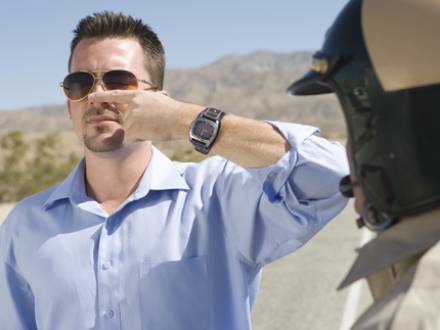 Sober people fail field sobriety tests all the time. These roadside tests measure balance, coordination, and the ability to follow spoken instructions while being watched. Dozens of things besides alcohol affect all three. Failing one is not proof of impairment, and it does not mean your case is over.
If you were arrested for DUI after a roadside test in 2026, a Davis County, UT criminal defense lawyer can examine how the test you took was given and scored.
Why Do Sober People Fail Field Sobriety Tests?
Sober drivers fail field sobriety tests because the tests were never designed to separate impairment from every other cause of poor balance. Common explanations include:
-
Inner ear problems, vertigo, or any condition affecting equilibrium
-
Back, knee, hip, or ankle injuries, including old ones
-
Neurological conditions, diabetes, and certain prescription medications
-
Being over 65 or significantly overweight, which can make some balance tests harder to perform
-
Dress shoes, boots, heels, or sandals
-
A sloped shoulder, loose gravel, potholes, or painted lane lines
-
Rain, wind, cold, or ice
-
Passing traffic, flashing lights, and headlights in your eyes
-
Exhaustion after a long shift or a long drive
-
Ordinary nervousness at being stopped by police at night
Anxiety alone accounts for a surprising number of failures. Being asked to balance on one leg while an officer stares and writes things down is not a neutral situation for anyone.
Utah Code § 41-6a-515.6 requires every law enforcement agency to make sure its officers are trained on the current standardized field sobriety testing guidelines set by the National Highway Traffic Safety Administration.
Departures from the standardized procedures can affect how reliable the results are and how much weight they should receive. Rushed instructions, a skipped demonstration, or scoring a clue that the guidelines do not recognize can weaken the officer's conclusions.
Are Field Sobriety Tests Required in Utah?
Field sobriety tests are voluntary in Utah. You can decline them, and declining is not the same as refusing a chemical test. Utah Code § 41-6a-520 is what covers breath, blood, and urine testing after an arrest. Refusing that testing carries serious license consequences, including a revocation longer than what follows a failed test. Roadside coordination exercises fall outside that statute entirely.
Can You Be Convicted of DUI in Utah Without a High BAC?
You can be convicted of DUI in Utah without a high blood alcohol concentration. Utah’s DUI statute creates two separate routes to a conviction.
The first is the "per se" route, where a chemical test shows a blood or breath alcohol concentration of .05 grams or greater. Utah dropped to .05 in December 2018 and remains the only state at that level, which means two drinks can put many adults over the line.
The second route requires no chemical test at all. It applies when a person is under the influence of alcohol, any drug, or a combination to a degree that renders them incapable of safely operating a vehicle. In those cases, the officer's roadside observations can be enough evidence. This route comes up constantly in prescription medication and cannabis stops, where a low or even zero alcohol reading can lead to a conviction.
How Can You Prove You Were Sober During a DUI Stop?
You do not have to prove sobriety in a DUI case. The state carries the burden of proving impairment. Still, certain evidence gives a prosecutor or jury a clear reason to doubt it:
-
A low or zero chemical test result, which contradicts the officer's conclusion directly
-
Body camera footage, which often shows steadier walking and clearer speech than the report describes
-
Medical records supplying an alternative explanation for the clues an officer counted
-
Photographs of the roadside documenting a slope or loose gravel the report never mentioned
-
An independent test taken the same night at an urgent care, which carries real weight when it comes back clean
Remember, your license suspension or revocation is a separate issue from a DUI charge. Utah gives you a short window, generally 10 calendar days from the arrest, to request a hearing with the Driver License Division. A late request may still be considered in limited circumstances, but you must explain why the request was late and why the hearing should be granted.
Schedule a Free Consultation With Our Salt Lake City DUI Defense Attorneys
At Collins Rupp, P.C., our attorneys are aggressive advocates. We’ll look at whether the tests followed NHTSA guidelines, whether a medical condition explains the result, and whether the State can actually prove impairment without a number to lean on.
Contact us at 385-777-2753 to talk to our Davis County, UT criminal defense lawyers today. Phone and video consultations are available.






Office Hours
Monday - Thursday
9:00 AM - 5:00 PM
Friday
9:00 AM - 3:00 PM
Results listed are not a guarantee or indication of future case results.
563 West 500 South, Suite 400, Bountiful, UT 84010 |
385-777-2753

Contact Our Firm
 The use of the Internet or this form for communication with the firm or any individual member of the firm does not establish an attorney-client relationship. Confidential or time-sensitive information should not be sent through this form.
I have read and understand the Disclaimer and Privacy Policy.